Cognitive Milestones Every Parent Should Know

Early childhood is a time of wonder — a season where the world reveals itself in colours, sounds, textures, and stories. At Ivy Grove Pre-school, we view these years as both delightful and profoundly formative. They are the foundation upon which emotional intelligence, curiosity, and a love for learning are built.
Understanding early childhood development, particularly the cognitive milestones that shape a child’s thinking, perception, and problem-solving, empowers parents to nurture their child’s growth with mindfulness and confidence.
Why Cognitive Milestones Matter
Cognitive development in early childhood is the gradual unfolding of a child’s ability to think, reason, remember, and make sense of their environment.
Cognitive milestones are not rigid checklists; they are gentle markers — signposts that help parents and educators recognise how children are learning to connect ideas, solve problems, and express their imagination.
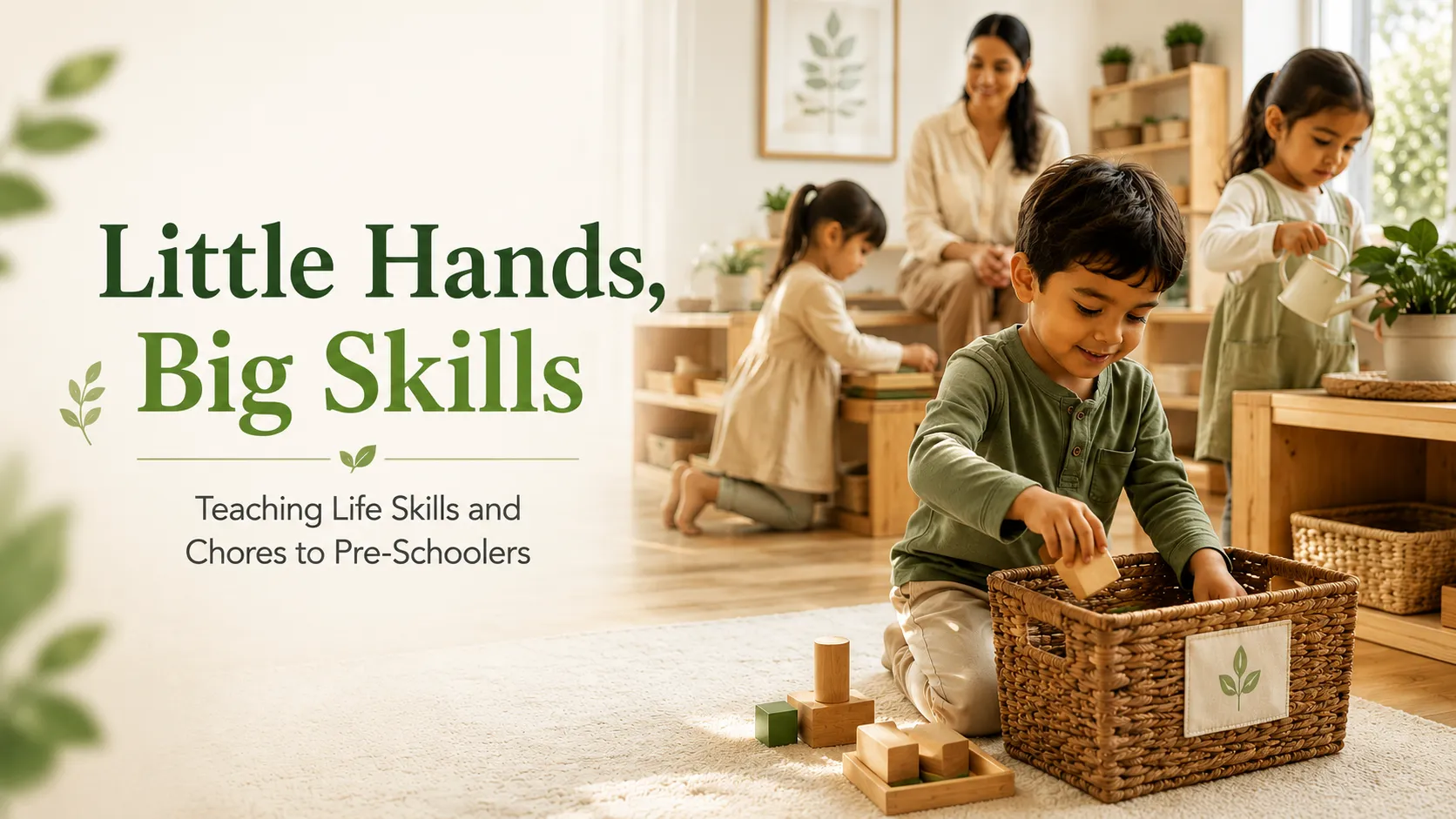
At Ivy Grove, we see these milestones as threads in a larger tapestry. They are intertwined with emotional growth, social awareness, and a child’s natural curiosity. Recognising them allows parents to appreciate the quiet yet profound learning that occurs in everyday moments — stacking blocks, asking “why?”, or pretending to cook in a play kitchen.
Cognitive Milestones by Age
1 - Infancy (Birth to 12 Months)
- Object permanence
Between 8 and 12 months, babies begin to understand that objects continue to exist even when they are out of sight. Peek-a-boo is not just a game; it is a fundamental cognitive milestone. - Cause and effect
Dropping a spoon repeatedly is a baby’s way of exploring how actions lead to outcomes. - Exploration through senses
Mouthing, grasping, and gazing help infants build the neural pathways that will support all future learning.
2 - Toddlerhood (1–3 Years)
- Symbolic thinking
A block becomes a car; a spoon transforms into a drumstick. Pretend play blossoms as toddlers begin to represent ideas through objects. - Problem-solving
Simple puzzles or figuring out how to climb onto a chair reflect their growing reasoning skills. - Language explosion
Vocabulary expands rapidly, and toddlers begin linking words with concepts, laying the foundation for abstract thinking.
3 - Pre-school Years (3–5 Years)
- Memory and recall
Children remember stories, songs, and routines, demonstrating the development of working memory. - Understanding time and sequence
They begin to grasp yesterday, today, and tomorrow — often with delightful inconsistency. - Perspective-taking
Pre-schoolers start to recognise that others may have thoughts and feelings different from their own. - Curiosity and questioning
Endless “why” questions signal leaps in reasoning, inquiry, and imagination.

The Ivy Grove Perspective: Beyond Milestones
While cognitive milestones provide guidance, development is not a race. Each child’s journey is unique, shaped by temperament, environment, and experiences.
One child may ask endless questions at three; another may quietly observe — both demonstrating the same curiosity and reasoning skills.
At Ivy Grove, our philosophy-led approach blends global best practices with Eastern wisdom. Calm, mindful environments allow children to flourish. Play is not a distraction from learning; it is the very medium through which cognitive development unfolds.
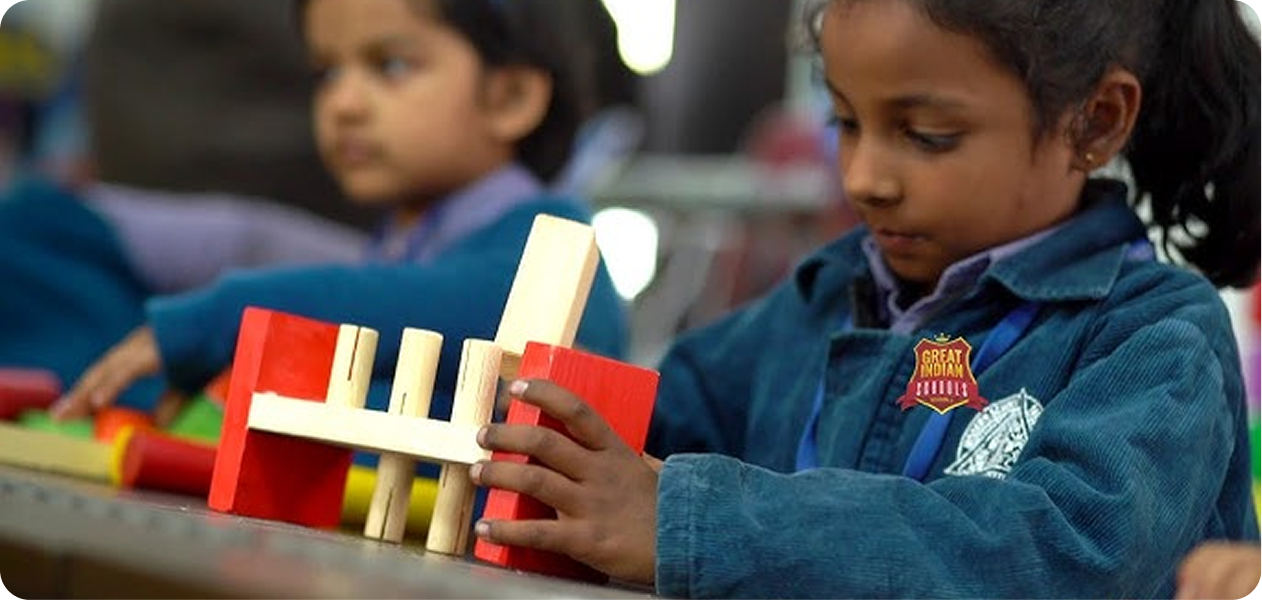
When a child builds a tower of blocks, they experiment with balance, cause and effect, and imagination — while also learning patience, resilience, and self-confidence.
How Parents Can Nurture Cognitive Development
Supporting your child’s growth doesn’t require flashcards or accelerated programmes. It lies in intentional, everyday interactions:
- Play together
Join your child in pretend play. When you sip tea from a toy cup, you validate their symbolic thinking. - Read stories
Storytelling nurtures memory, imagination, and empathy, while deepening the parent-child bond. - Encourage questions
Answer their “whys” with patience, even when the questions seem endless. Each query is a window into reasoning. - Offer choices
Simple decisions, such as choosing between a red or blue cup, foster autonomy and problem-solving. - Create calm spaces
A mindful, clutter-free environment allows children to focus and explore without overstimulation.
Emotional Intelligence and Cognitive Growth
At Ivy Grove, we know cognitive growth cannot be separated from emotional development. A child who feels safe, respected, and loved is more likely to explore, take risks, and ask questions.
Emotional intelligence is the soil in which cognitive skills take root.
For instance, when a child struggles with a puzzle, their persistence depends on emotional regulation. Sharing a toy demonstrates perspective-taking alongside problem-solving. Our educators guide children with empathy, patience, and attentive observation — nurturing both heart and mind.
A Story to Remember
One morning, four-year-old Aarav was deeply engaged in building a city with blocks. He explained that the tall tower was a hospital, the smaller one a school, and the bridge connected them.
Through this play, Aarav demonstrated symbolic thinking, memory recall, logical sequencing, and empathy — wanting the hospital to be near the school so children can get help quickly.
This moment exemplifies how cognitive milestones are not isolated skills but part of a holistic journey. Play becomes the lens through which imagination, reasoning, and emotional intelligence flourish.
A Gentle Reminder for Parents
As modern, globally connected parents, it is natural to seek clarity and benchmarks. Yet the most powerful gift you can offer your child is presence.
Celebrate curiosity — whether it appears as endless questions, quiet observation, or imaginative play. Trust that growth is happening, often in subtle, beautiful ways.
At Ivy Grove, we partner with parents to document and share these moments, making learning visible. Together, we create a circle of trust where children feel protected, valued, and inspired to lead their own learning journey.
Conclusion: Milestones as Invitations
Understanding cognitive development in early childhood is not about ticking boxes. It is about recognising each milestone as an invitation — to connect, nurture, and celebrate.
When parents view milestones as opportunities rather than pressures, they cultivate joy in learning.
At Ivy Grove Pre-school, children are not merely preparing for the future — they are living fully in the present. By nurturing cognitive milestones with calm, mindful guidance, we help them grow into confident, emotionally intelligent, self-led learners who carry curiosity, compassion, and resilience into the wider world.
Confused about preschool readiness?