How to Prepare Your Child Emotionally for Pre-School
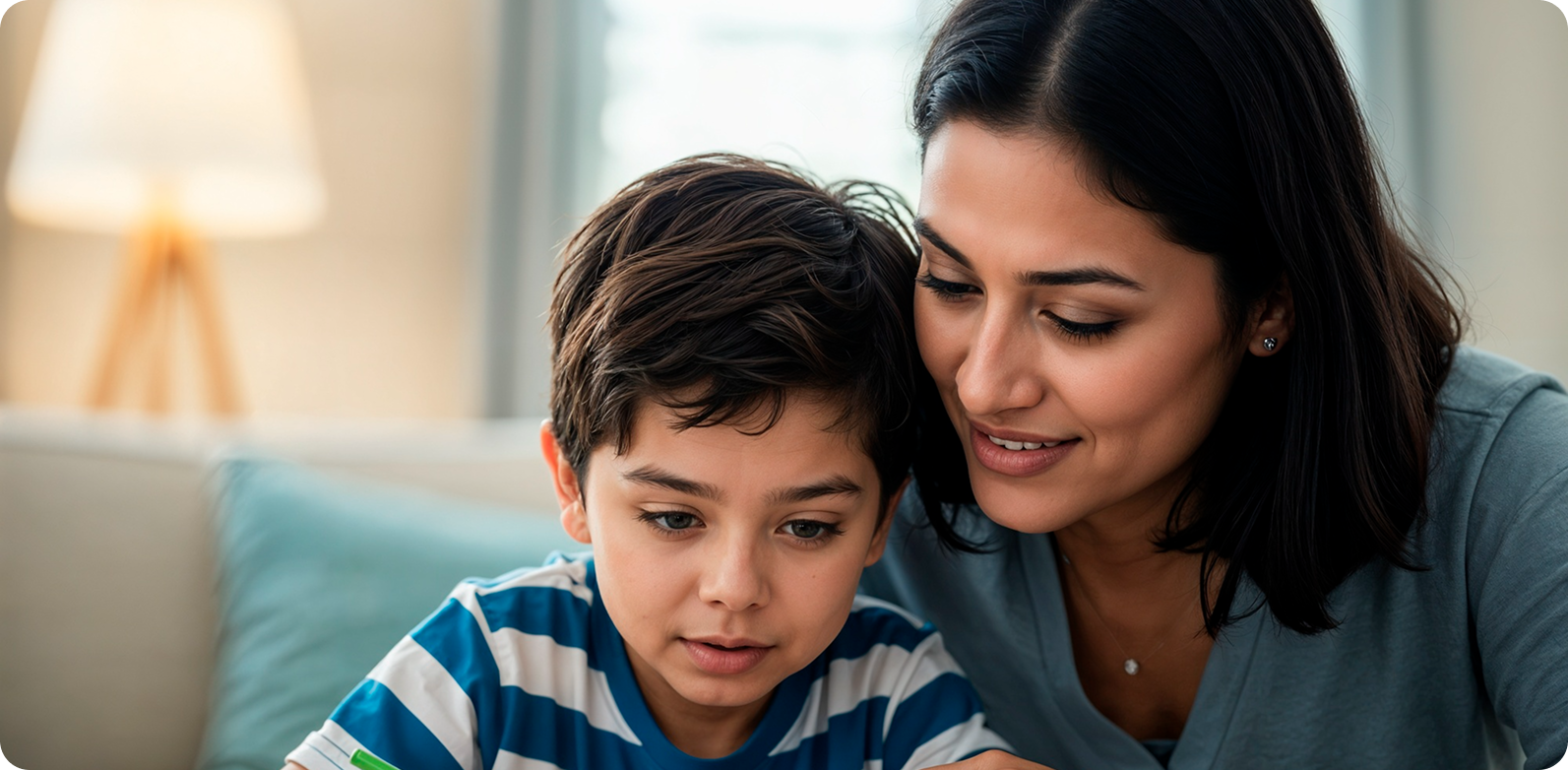
The first day at pre-school is not just a milestone—it is a moment layered with emotion. For your child, it may feel like standing at the edge of something unfamiliar yet full of possibility. For you, it may stir pride, anticipation, and a quiet ache of letting go.
At Ivy Grove Pre-school, we believe this transition deserves gentleness. Emotional preparation is not about eliminating tears or ensuring a ‘perfect’ goodbye. It is about helping your child feel safe, seen, and deeply supported as they step into the world beyond home.
This guide is designed to help you prepare your child emotionally—thoughtfully, calmly, and with intention.
Why Is Emotional Preparation So Important Before Pre-school?
Pre-school is often a child’s first sustained experience away from their primary caregivers. While cognitive readiness matters, emotional readiness forms the foundation for everything that follows—learning, friendships, confidence, and self-belief
On the first day at pre-school, children are not asking, “What will I learn?”
They are asking:
- “Will I be safe?”
- “Will someone understand me?”
- “Will my parent come back?”
When these emotional questions are answered with consistency and care, children are able to settle, explore, and grow.
Should I Visit the Pre-school With My Child Before the First Day?
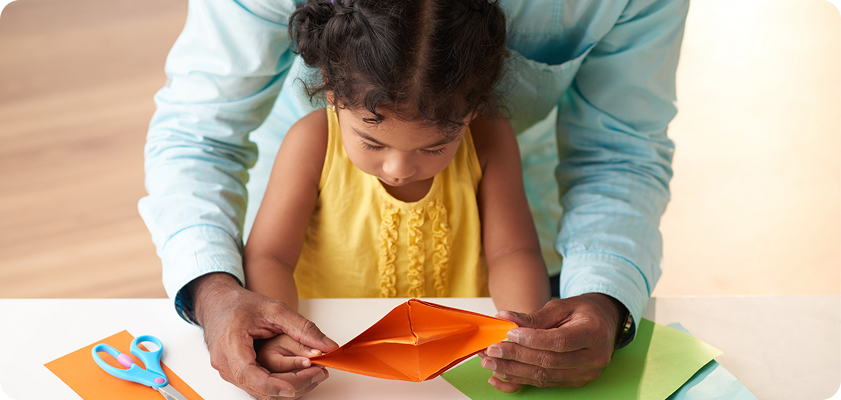
The answer to that is yes—familiarity creates emotional safety.
Visiting the school beforehand allows your child to build a mental map of the environment. They begin to recognise spaces, smells, light, and people. What was once unknown becomes gently predictable.
Our Ivy Grove campuses are intentionally designed as calm, protected spaces—soft colours, natural textures, mindful play areas, and warm adult presence. When children experience this atmosphere ahead of time, their first day at pre-school feels less like a leap and more like a continuation.
What Is the Best Way to Handle Goodbye on the First Day?
Goodbyes matter more than we realise.
A hurried exit can feel confusing. A prolonged farewell can heighten distress. What children need most is consistency and confidence.
Create a simple goodbye ritual:
• A hug
• A kiss
• A warm phrase such as “See you after playtime”
Then leave calmly—even if there are tears. This teaches your child an important emotional lesson: separation is temporary, and reunions are certain.
At Ivy Grove, our educators are trained to hold children emotionally during these moments, offering reassurance, presence, and quiet companionship until they feel ready to engage.
How Can I Help My Child Feel More Independent Before Pre-school?
Emotional confidence grows when children feel capable.
In the weeks before pre-school, encourage small acts of independence:
• Putting on shoes
• Tidying toys
• Choosing between two snack options
These moments gently say to your child, “You can trust yourself.”
Our philosophy at Ivy Grove nurtures self-led learners—children who feel empowered to make choices, explore, and engage at their own pace. Independence is not forced; it is invited through mindful environments and respectful guidance.
What If My Child Is Tearful or Resistant About Going to Pre-school?
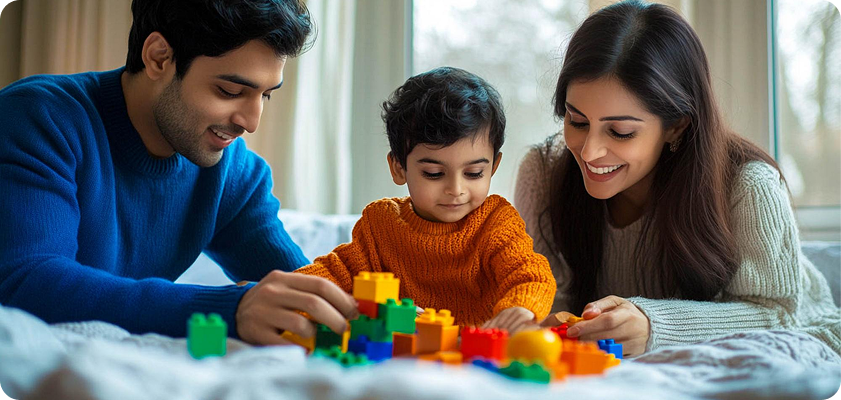
Resistance is communication.
Instead of trying to fix or dismiss the feeling, acknowledge it:
“It feels hard to say goodbye. I understand. Feeling sad is okay.”
Naming emotions helps children process them. It teaches them that all feelings are welcome and manageable.
At Ivy Grove, emotional expression is not something to be corrected; it is something to be understood. We guide children to recognise, express, and gradually regulate their emotions, laying the foundation for lifelong resilience and empathy.
How Can Morning Routines Support Emotional Readiness?
Children thrive on rhythm.
A calm, predictable morning routine helps regulate emotions before the first day at preschool:
• Wake up unhurried
• Share breakfast together
• Talk gently about the day ahead
Avoid last-minute rushing or heightened stress. Children absorb the emotional tone around them, often more than words.
Your calm presence is the most powerful reassurance your child carries into school.
How Important Is the Parent–Educator Partnership?
In early childhood, trust is built through continuity.
Share insights with your child’s educators:
• Comfort objects
• Favourite songs or books
• Triggers or sensitivities
At Ivy Grove, we value parents as partners. Our small class sizes and attentive educators allow us to truly know each child, mirroring the care of home within the school environment.
This partnership reassures children that the adults in their world are connected, aligned, and working together to support them.
How Does Play Help Children Emotionally Prepare for Pre-school?
Play is how children make sense of the world.
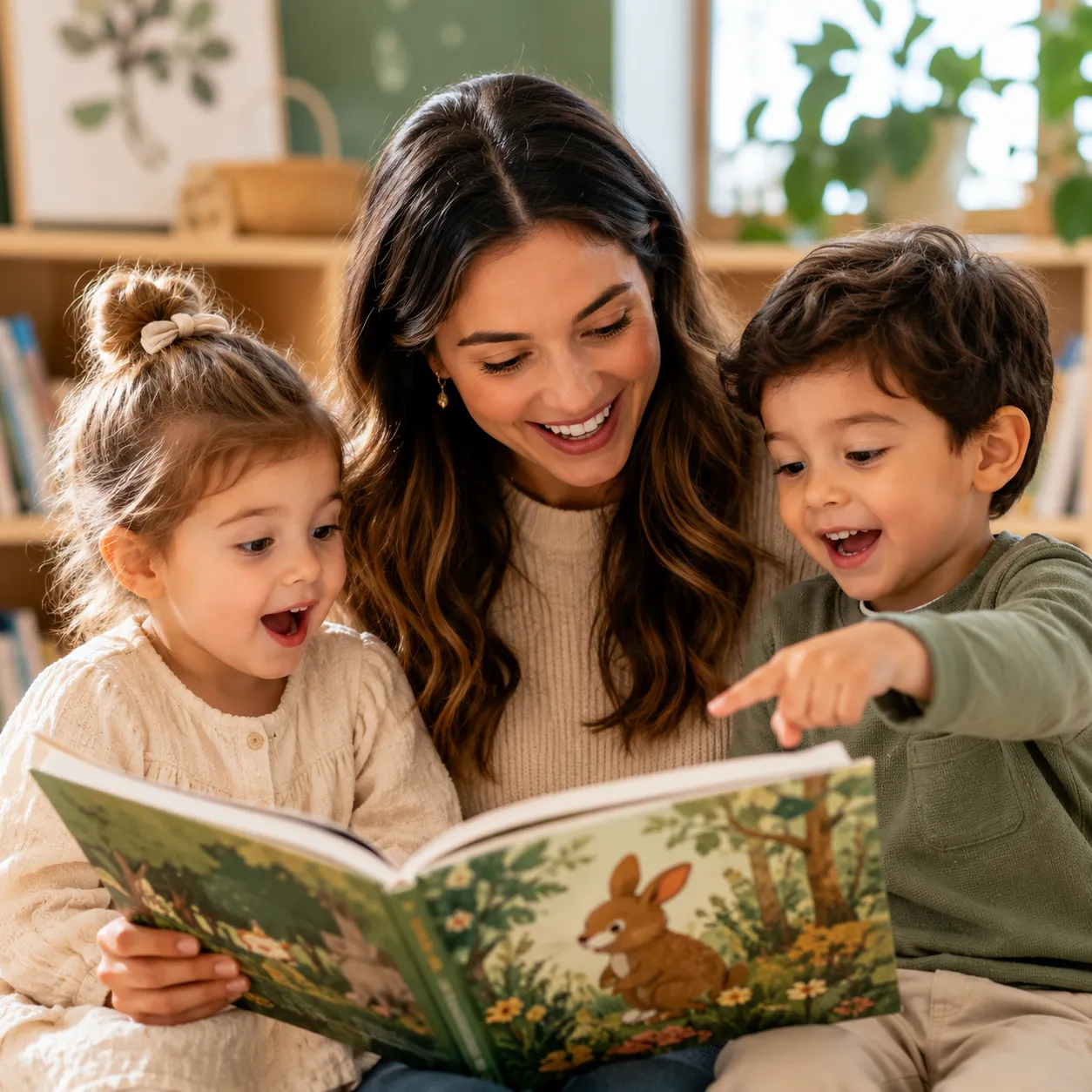
Through play, children rehearse social situations, express feelings, and build confidence. At home, encourage:
• Pretend school games
• Role-playing teacher and student
• Group play with peers
At Ivy Grove, play is central, not as free time, but as meaningful, mindful learning. Our play-based approach allows children to process emotions safely, explore curiosity, and build emotional security at their own pace.
What If I’m the One Struggling With the Transition?
This is more common than many parents admit.
The first day at pre-school is also a moment of emotional transition for you. Children sense your feelings, even when unspoken. Taking time to acknowledge your own emotions helps you show up calmly for your child.
Trust your child’s resilience. Trust the educators. And trust that this step—though tender—is the beginning of growth.
At Ivy Grove, we hold space for parents, too. Letting go is an act of love, and we honour it with empathy and care.
A Gentle Beginning That Shapes the Years Ahead
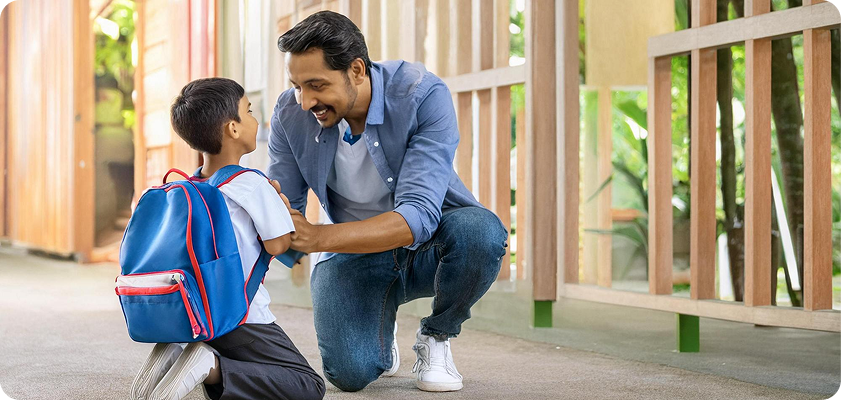
The first day at pre-school is not about separation; it is about connection. When children feel emotionally prepared, they step into learning with confidence, curiosity, and joy.
At Ivy Grove Pre-school, we blend global research with Eastern wisdom to create calm, nurturing environments where emotional intelligence is valued as deeply as academic growth. Our role as thoughtful educators is to protect this transition—so your child begins their journey feeling secure, understood, and ready to flourish.
Because when emotional foundations are strong, everything else follows.
Confused about preschool readiness?