What Is Play-Based Learning in Pre-School?

When you imagine your child’s earliest memories of school, what do you hope they carry with them?
Not worksheets or pressure, but wonder. Not performance, but joy. Perhaps you see gentle mornings filled with conversation, small hands exploring thoughtfully chosen materials, and laughter rising from moments of shared discovery. At Ivy Grove Pre-school, we believe these moments are not incidental. They are essential.
Play-based learning is not a break from learning. It is learning rooted in research, guided by intention, and deeply aligned with how young children naturally grow. In our philosophy-led environment, play becomes the pathway through which children develop confidence, emotional intelligence, and a lifelong love for learning.
Understanding Play-Based Learning
Play-based learning is a purposeful educational approach where children learn by actively engaging with their world through play. Rather than separating play from learning, this philosophy recognises play as the child’s most powerful tool for understanding ideas, relationships, and emotions.
In a play-based learning environment, children explore concepts through movement, imagination, conversation, and hands-on experiences. Educators observe closely, listen deeply, and gently extend each child’s thinking, transforming moments of curiosity into meaningful learning.
Unlike rigid, outcome-driven models, play-based learning honours the pace of childhood. It trusts that when children are engaged, emotionally safe, and intrinsically motivated, learning unfolds naturally and deeply.
Why Play Matters So Much in the Early Years
Play is often described as the work of childhood, and for good reason. Through play, children learn how the world works and where they fit within it.
When children negotiate roles in imaginative play, they practise empathy and communication. When a structure collapses, and they rebuild it, they develop resilience and problem-solving skills. When they experiment freely, they learn to take risks, make decisions, and trust their own thinking.
At Ivy Grove, we see play as the bridge between the child’s inner world and the wider world they are growing into. It supports not only cognitive development, but emotional regulation, social awareness, and self-belief—skills that form the foundation of future readiness.
The Educator as a Thoughtful Guide
In play-based learning, the role of the educator is subtle yet profound. Rather than directing learning from the front of the classroom, educators become nurturing guides—protective, emotionally intuitive, and deeply present.
Our educators create environments that invite exploration while offering emotional security. They observe children’s play carefully, noticing patterns, interests, and unspoken questions. With gentle prompts or carefully chosen materials, they extend learning without interrupting the child’s sense of agency.
A simple question such as “What do you think might happen next?” can open the door to inquiry, reflection, and deeper understanding. This approach nurtures self-led learners who feel supported, not rushed; guided, not controlled.
Play-Based Learning Activities in Practice
Play-based learning activities are intentionally designed to support holistic development while remaining joyful and engaging. At Ivy Grove, these experiences are thoughtfully curated to align with developmental milestones and emotional growth. Some examples include:
• Imaginative Play
Role-play scenarios such as homes, marketplaces, or community helpers help children explore social roles, practise empathy, and build language skills.
• Construction Play
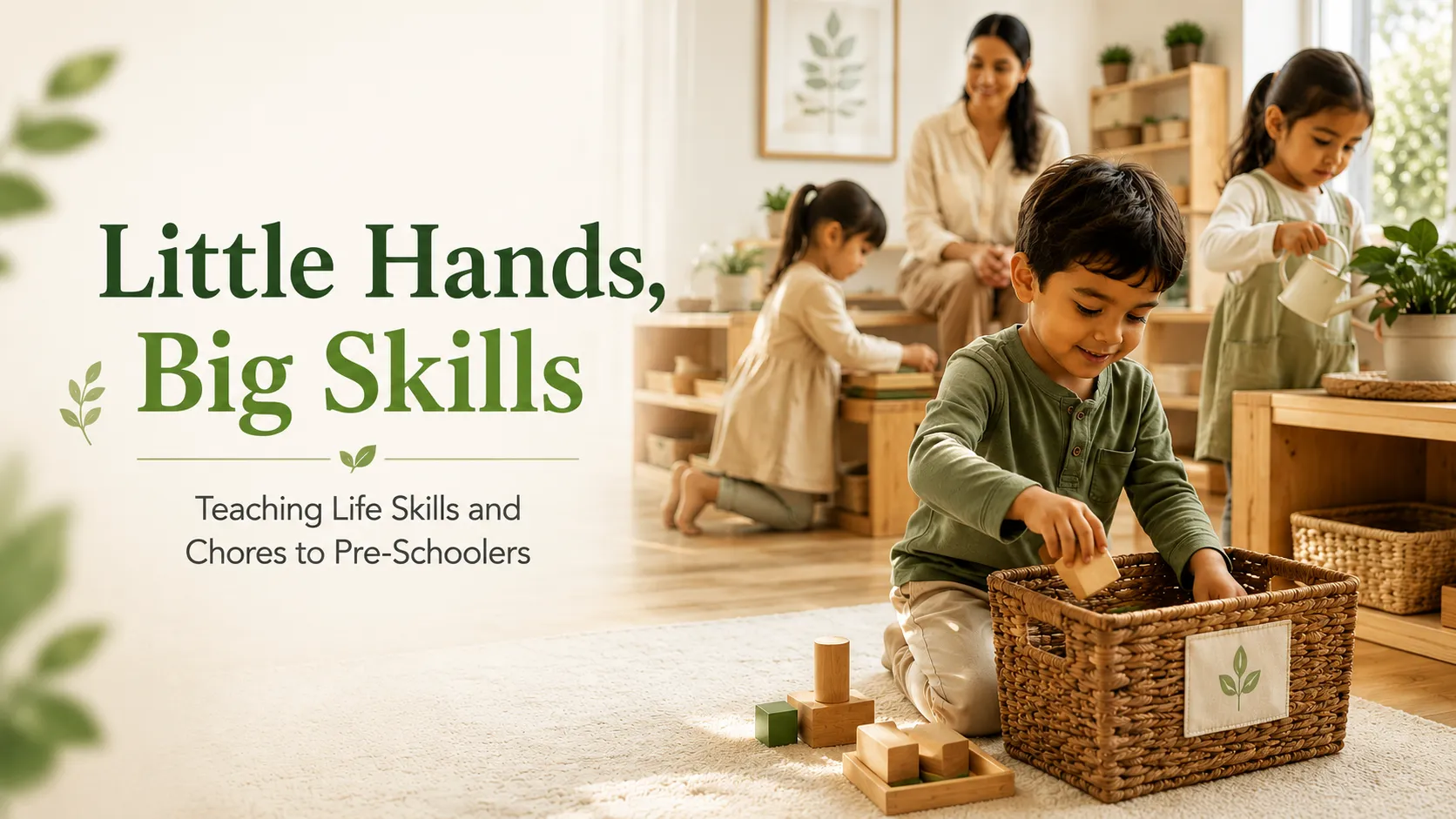
Building blocks, loose parts, or natural materials strengthens spatial awareness, collaboration, and problem-solving.
• Creative Expression
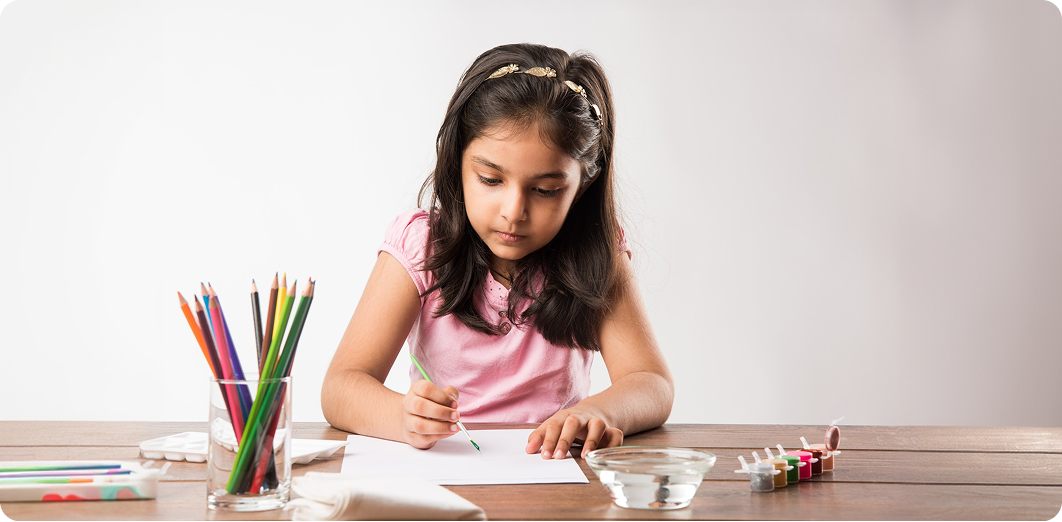
Art, music, and movement allow children to process emotions, develop fine motor skills, and express their inner world safely.
• Outdoor Play
Time in nature encourages resilience, physical confidence, and a deep sense of calm connection with the environment.
• Storytelling and Dramatic Play
Creating and acting out stories nurture emotional literacy, imagination, and communication.
Each activity is approached with intention. Play is never random—it is observed, documented, and gently extended to support each child’s unique learning journey.
.png)
Montessori Teachings and Play-Based Learning
Many parents are familiar with Montessori teachings and often wonder how they align with play-based learning. The philosophies share a deep respect for the child as an active, capable learner.
Montessori teachings emphasise independence, hands-on exploration, concentration, and self-directed activity—all of which sit naturally within a play-based framework. At Ivy Grove, we draw inspiration from Montessori principles while integrating mindfulness, emotional intelligence, and reflective practice.
Montessori materials are introduced as invitations rather than instructions—allowing children to explore at their own pace, repeat experiences, and develop focus and confidence. The goal is not acceleration but depth. Not performance but understanding.
Nurturing Emotional Intelligence Through Play
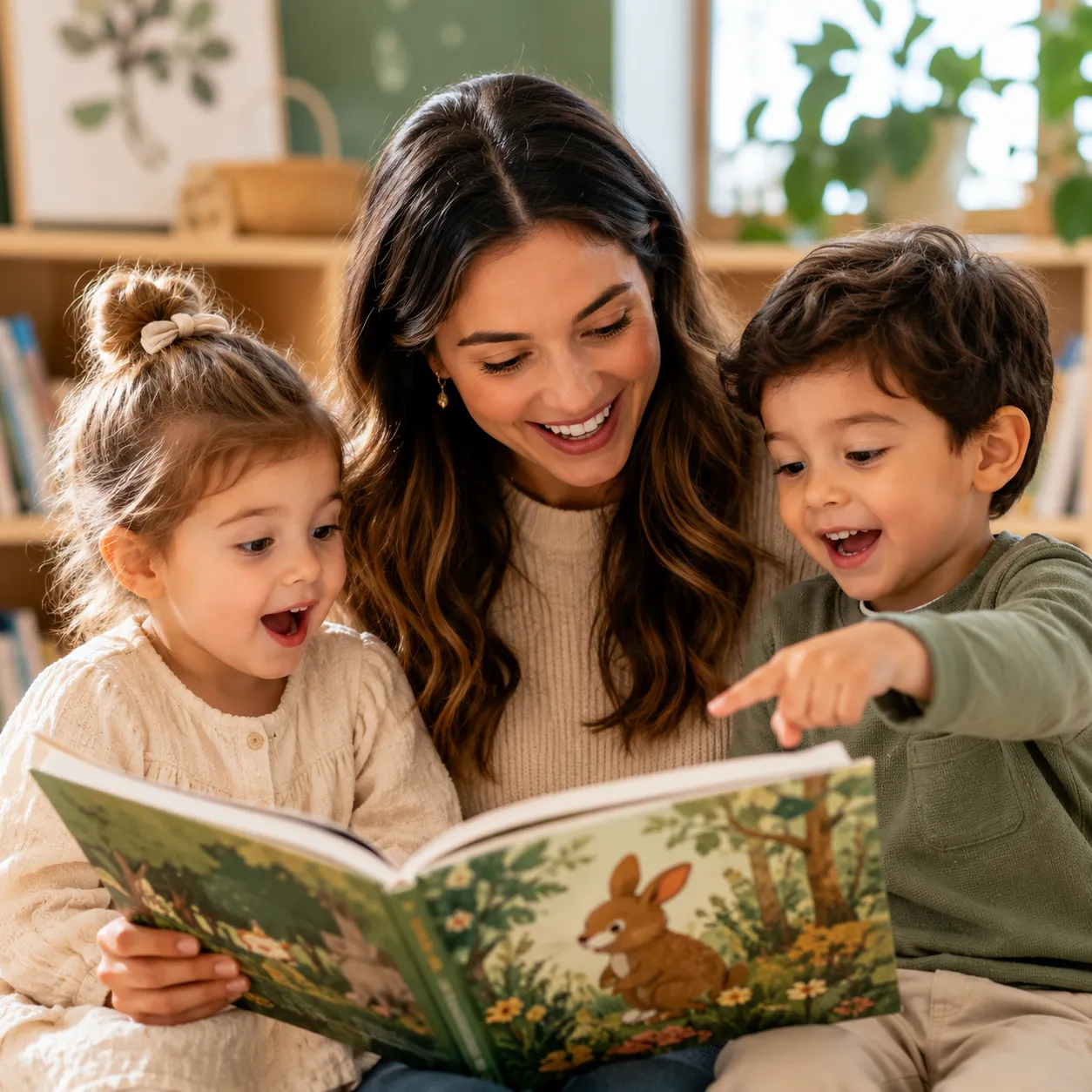
One of the most meaningful outcomes of play-based learning is the development of emotional intelligence. As children play, they encounter real emotions—joy, frustration, excitement, disappointment—and learn how to navigate them safely.
Through guided play experiences, children learn to name feelings, regulate responses, resolve conflicts, and understand others’ perspectives. These are life skills that cannot be taught through memorisation, but must be lived and practised.
At Ivy Grove, emotional intelligence is not an add-on; it is at the heart of everything we do. Our calm, protected environment ensures children feel seen, heard, and supported as they develop emotional resilience and self-awareness.
The Importance of a Calm, Mindful Environment
Play-based learning flourishes in spaces that are intentionally designed for peace and focus. Our classrooms are calm sanctuaries—filled with natural light, soft tones, and carefully selected materials that invite curiosity without overstimulation.
A mindful environment communicates safety and respect. It tells the child: You belong here. You are valued. You are free to explore.
This sense of emotional security allows children to engage deeply, play meaningfully, and build sustained attention—essential skills for lifelong learning.
.png)
Parents as Partners in the Learning Journey
Play-based learning extends beyond the classroom. Everyday moments at home, such as cooking, storytelling, building, and observing nature, are rich opportunities for learning through play.
At Ivy Grove, we value strong teacher–parent partnerships. Through documentation, dialogue, and shared reflection, parents remain connected to their child’s learning journey. Small class sizes allow us to offer personalised attention and meaningful communication, building trust and continuity between home and school.
Preparing Children for an Ever-Changing Future
In today’s rapidly evolving world, future readiness is no longer about early academics alone. It is about adaptability, creativity, collaboration, and emotional resilience.
Play-based learning nurtures these qualities naturally. When children explore freely, solve problems collaboratively, and follow their curiosity, they are developing the very skills they will need as confident, global citizens.
At Ivy Grove, we see play as preparation for life, quietly shaping learners who are thoughtful, capable, and grounded.
.png)
The Ivy Grove Promise
Play-based learning is not a trend. It is a deeply respectful, research-backed philosophy that honours childhood as a time of wonder, connection, and growth.
At Ivy Grove Pre-school, we blend global best practices with Eastern wisdom to create a calm, mindful, and play-based environment, where children are nurtured into becoming confident, emotionally intelligent, and self-led learners.
Here, playing is not a pause in learning. It is the heart of it.
Confused about preschool readiness?