Silent Learning: Letting the Learner and the Learning Be
Rethinking the Pre-school Environment
When many parents imagine a pre-school classroom, they picture energy and exuberance — bright walls, lively chatter, constant transitions, teachers giving instructions, children moving swiftly from one activity to another. Noise is often equated with engagement. Movement is mistaken for meaning.
But in the midst of all this stimulation, an important question emerges:
When does a child get the time to think?
When do they pause long enough to form their own conclusions?
When do they learn to focus deeply?
When do they feel calm enough to truly understand?
At Ivy Grove Pre-school, our philosophy is simple yet profound: Let the learner and the learning be. We believe that silence is not the absence of learning — it is often the beginning of it. Through a research-informed approach rooted in experimental learning and silent learning, we create an environment where children are not hurried, overstimulated, or over-directed, but are gently guided towards independence, focus, and emotional balance.
What Is Silent Learning?
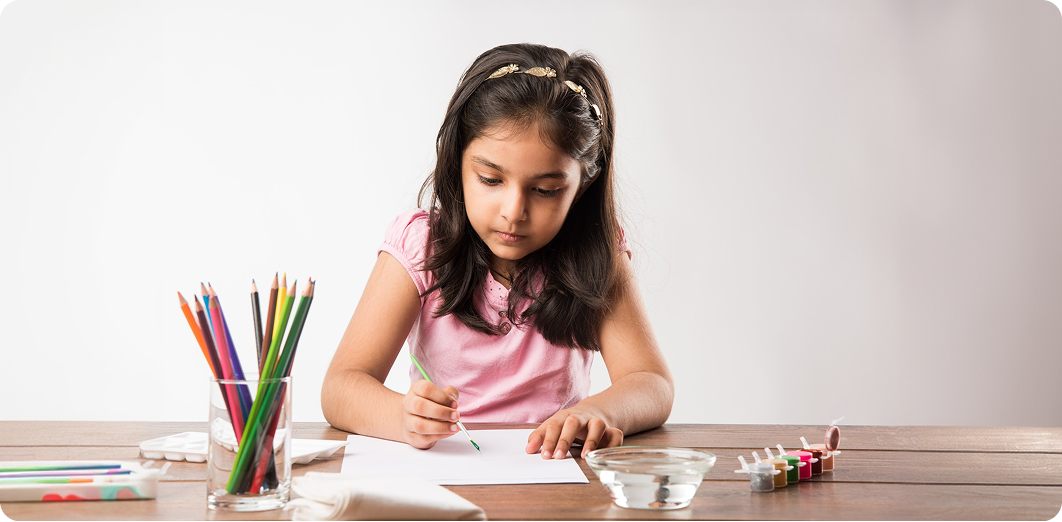
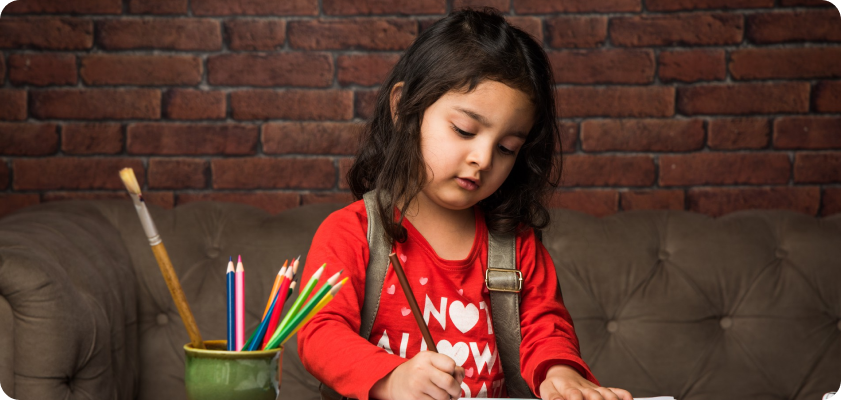
Silent learning is an intentional part of our wider experience-based learning approach. It allows children to process their thoughts internally before expressing them externally. It does not mean the classroom is rigid or wordless. Nor does it suggest passive teaching. Instead, it is a thoughtful element of silent pedagogy — creating purposeful moments where children engage through:
- Observation
- Reflection
- Quiet exploration
- Independent problem-solving
- Self-paced understanding
In practice, this may look like:
- A child observing a demonstration without interruption before attempting it.
- Quietly exploring a sensory tray, fully immersed.
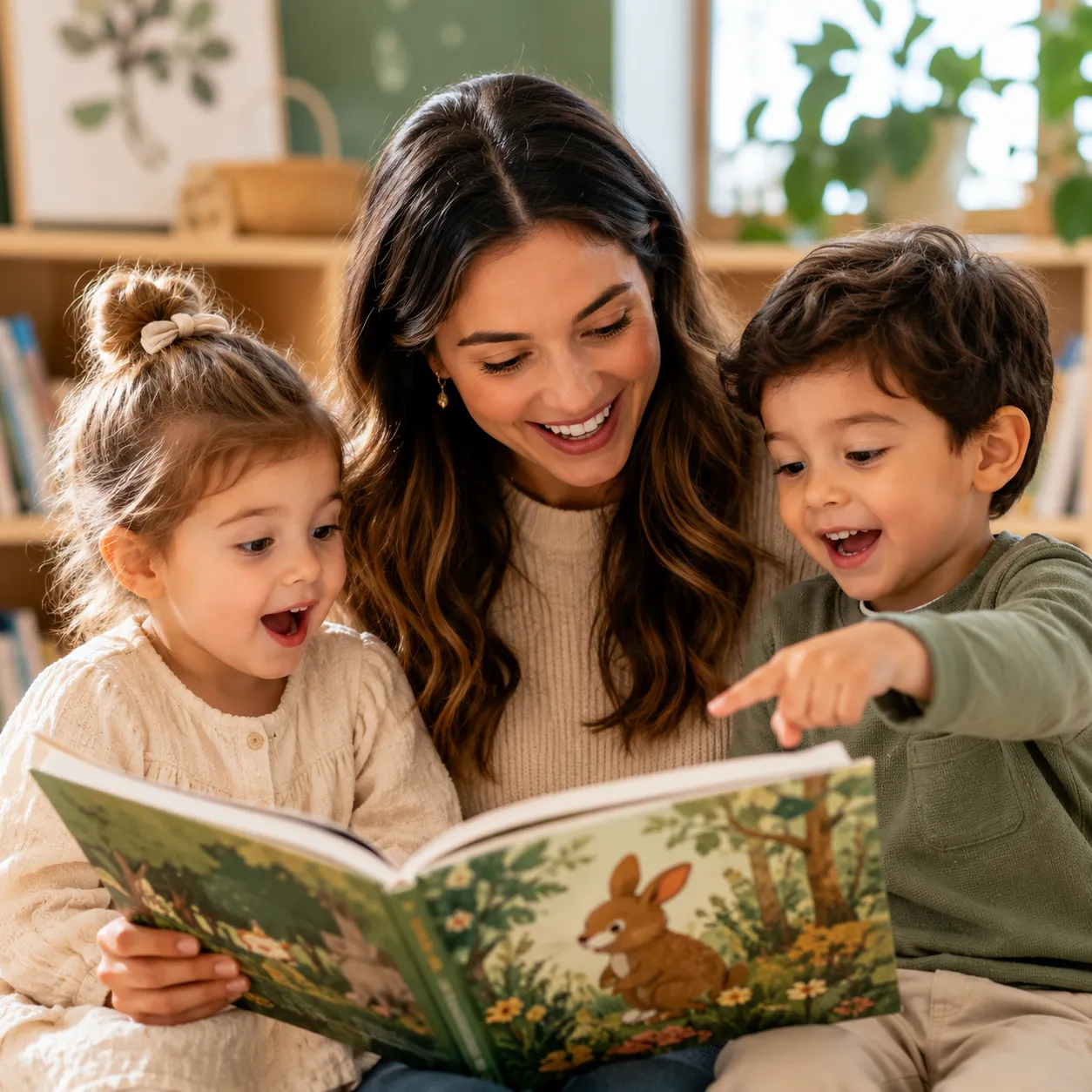
- Studying a picture book independently before a group discussion.
- Taking “thinking time” before answering a question.
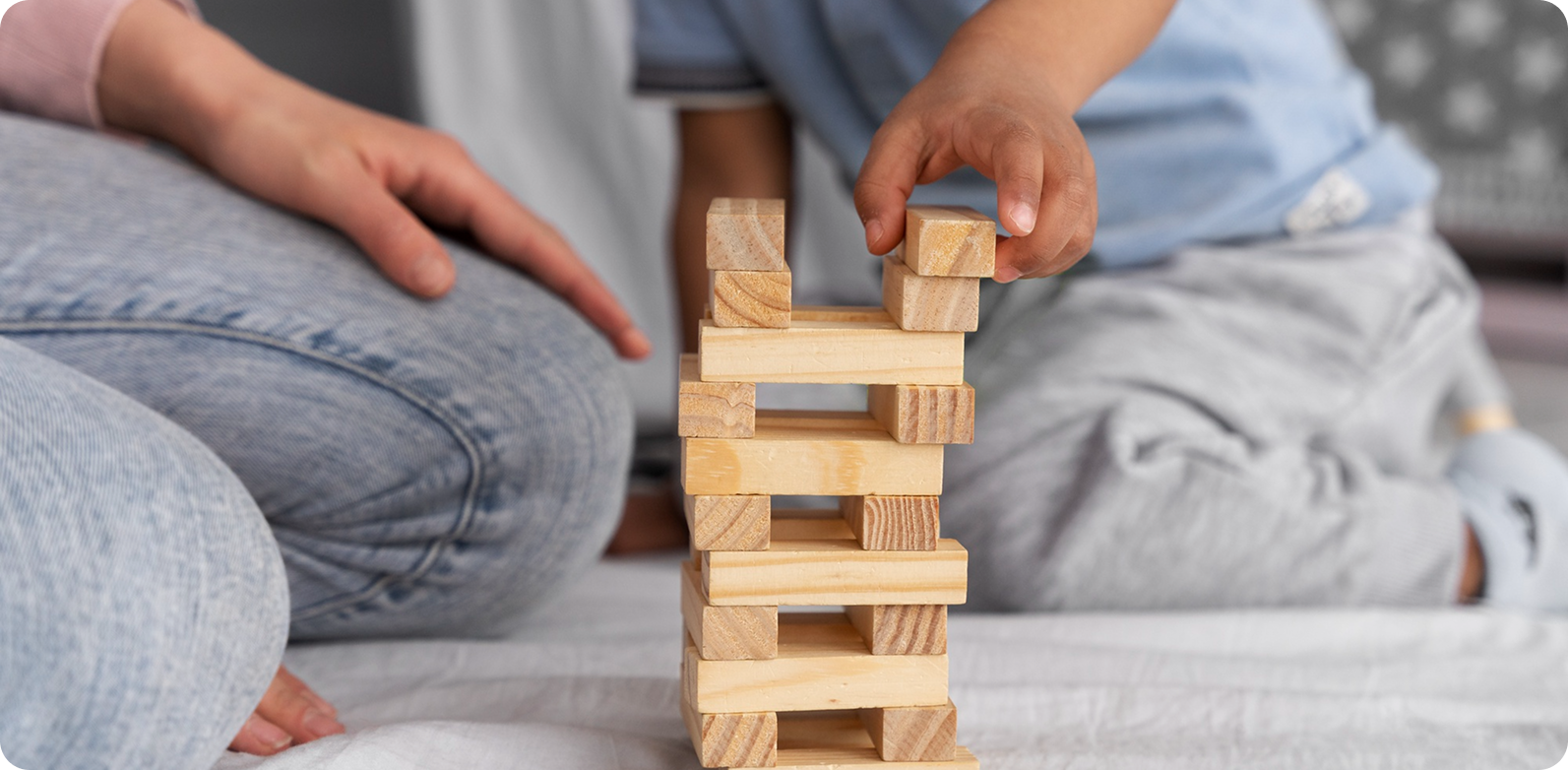
- Completing a puzzle without immediate adult intervention.
These pauses allow the brain to organise information, connect ideas, and build meaning. In early childhood, this space for processing is invaluable.
Why Silence Matters in Early Childhood
Young children today grow up in an increasingly noisy world — digital notifications, busy schedules, constant conversation, and structured activities. Their developing brains are continuously stimulated.
Yet neuroscience tells us that learning requires both stimulation and integration. Without time to process, information remains shallow.
Balanced silent education offers significant benefits:
- Strengthens Concentration
Children gradually build sustained attention. They learn to stay with a task, rather than shifting constantly.
- Encourages Independent Thinking
Instead of looking immediately to adults for answers, children begin to trust their own reasoning.
- Supports Emotional Regulation
Quiet reflection helps children settle their nervous systems. They learn to pause before reacting — an essential life skill.
- Deepens Understanding
Internal processing strengthens comprehension. Children move from imitation to insight.
- Builds Self-Confidence
When children discover answers independently, their belief in their own ability grows naturally.
At Ivy Grove, silent moments are always developmentally appropriate — short, supported, and woven gently into the rhythm of the day.
Silent Learning and Experimental Learning: A Powerful Balance
It may seem paradoxical to connect silence with experimental learning, but the two are deeply interlinked. Experimental learning is hands-on, inquiry-driven and rooted in real experience. Silent learning strengthens it. For example:
- A child plants seeds (active exploration).
- They quietly observe changes over the days (reflection).
- They draw conclusions independently before discussing them (internal processing).
Experience without reflection is incomplete. Reflection without experience is abstract. Together, they form meaningful experience-based learning.
At Ivy Grove, our classrooms balance:
Both are essential. Neither dominates.
The Silent Curriculum: What Children Absorb Without Being Told
Education is never limited to what is explicitly taught. Children learn continuously from the environment around them. This is where the concept of the silent curriculum becomes important.
- Hidden Curriculum
The hidden curriculum refers to values and behaviours children absorb through everyday routines and adult modelling.If teachers speak calmly, children internalise calmness. If waiting is respected, patience develops. If every voice is valued, inclusion grows.
At Ivy Grove, our atmosphere communicates:
- Respect
- Emotional awareness
- Independence
- Thoughtfulness
- Hidden Curriculum
The silent curriculum includes messages conveyed indirectly — through tone, environment, and interaction patterns. If reflection is never encouraged, children may assume speed matters more than thought. If quiet children are overlooked, they may feel less valued.
Our silent teaching approach ensures that reflection is respected and quiet thinkers are celebrated. Silence here signals depth, not disengagement.
- Null Curriculum
The null curriculum refers to what is omitted entirely. If emotional literacy is excluded, children may struggle with empathy. If problem-solving is absent, dependence increases. If diversity is not represented, inclusion weakens.
At Ivy Grove, our philosophy-led framework ensures that nothing essential is left out — right from social-emotional development to inquiry-based exploration.
Real-World Alignment: A Shared Philosophy Across Respected Models
Silent pedagogy is not an isolated or experimental concept. Many of the world’s most respected early childhood approaches embed similar principles — even if they do not use the term “silent learning.” For example:
- The Montessori education approach emphasises independence, concentration and uninterrupted work cycles. Children are given time and space to focus deeply without constant interruption.
- The Reggio Emilia approach values careful observation and child-led inquiry. Educators step back to listen, document and interpret, allowing children’s thinking to unfold organically.
- Forest School models nurture resilience and self-regulation through immersive nature experiences, where quiet observation and reflective exploration are central.
While these educational philosophies may not explicitly use the phrase “silent pedagogy,” they embed its values through intentional environments, thoughtful structure, and deep respect for the child’s internal process. At Ivy Grove, we draw inspiration from these globally respected models, integrating their shared belief: children thrive when given space to think, observe, and grow at their own pace.
Addressing Common Misconceptions
It is natural for modern parents to wonder:
Does silent learning mean children are bored?
Does it mean teachers are stepping back too much?
Will my child miss out on engagement?
The answer is reassuringly simple: no.
Silent pedagogy is active by design.
Our educators are highly trained observers. They intervene thoughtfully, not constantly. They know when to guide and when to allow space.
The classroom is not quiet all day — it is balanced. Laughter, collaboration, and conversation are very present. But they are interwoven with intentional pauses that strengthen cognition and emotional stability.
Why This Matters for the Future
Urban, globally connected families understand that future-readiness is not built through memorisation alone. It requires:
- Adaptability
- Deep thinking
- Emotional intelligence
- Problem-solving
- Self-direction
Children who experience balanced silent learning often demonstrate:
- Better listening skills
- Improved patience
- Deep resilience
- Self-discipline
- Greater confidence in independent thought
These are not merely academic skills. They are life skills. In boardrooms, research labs, creative studios and global organisations, the ability to pause, reflect, and respond thoughtfully is fundamental. The foundations for that begin early.
Letting the Learner and the Learning Be
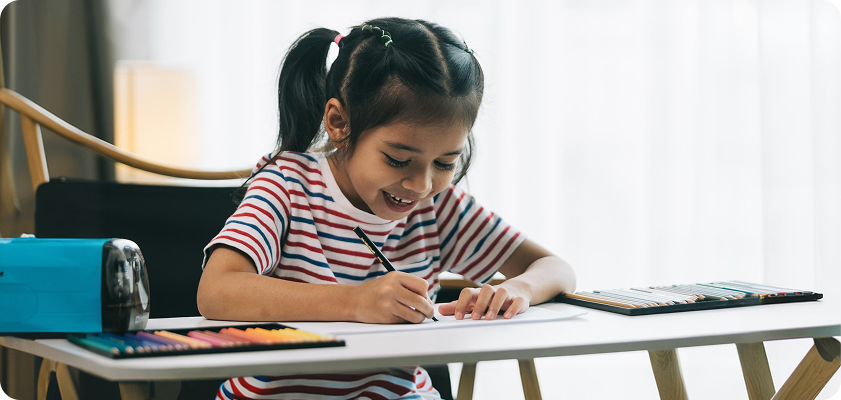
In a fast-moving world, giving a child the gift of quiet thinking is an act of trust. It says:
You are capable of thinking.
You can take your time.
Your ideas matter.
Through our integrated approach to experimental learning, reflective practice, and silent pedagogy, Ivy Grove nurtures children who are not only ready for school — but ready for life.
Sometimes the most powerful learning does not make the most noise.
Sometimes it happens in stillness.
And sometimes, the most profound growth begins when we simply let the learner and the learning be.
Confused about preschool readiness?